What is a Fly Screen Door?
Definition and Purpose
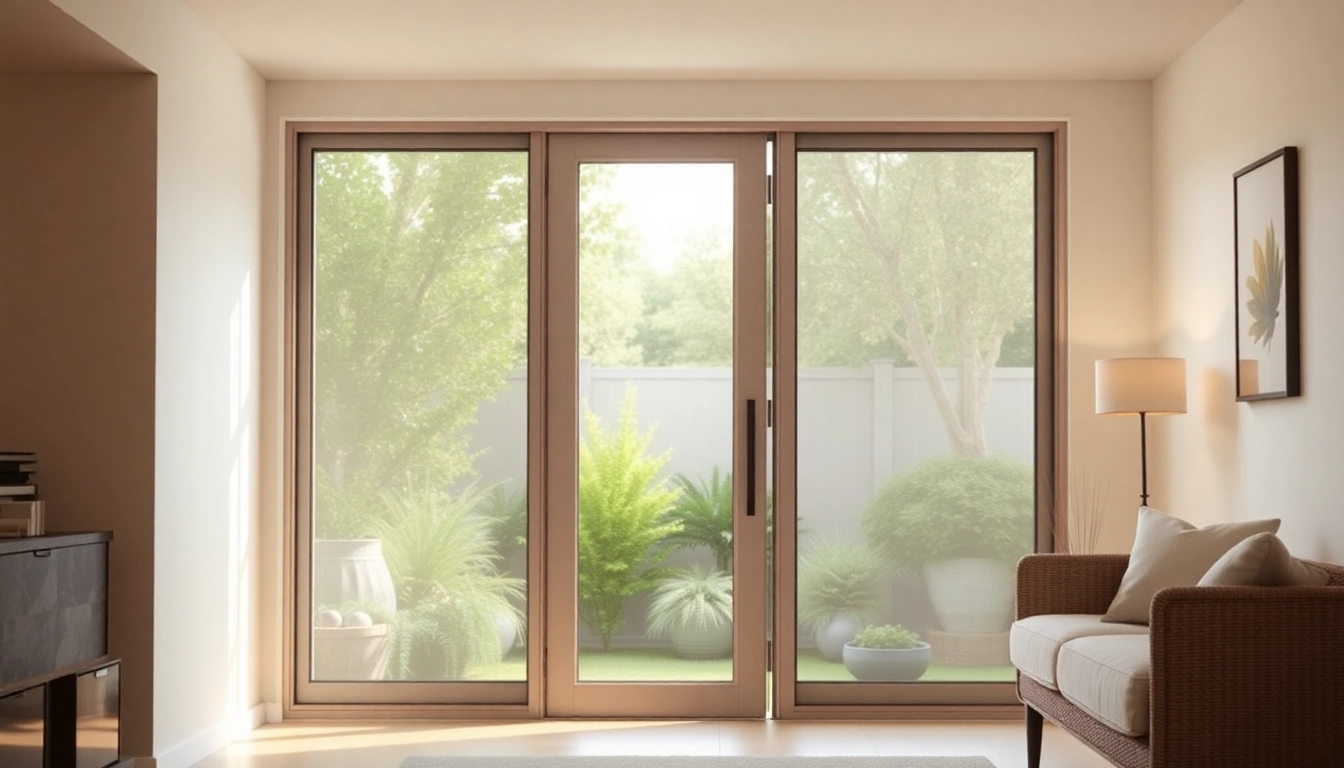
A fly screen door is a screening solution designed to provide a barrier against insects while allowing fresh air to flow into your home. Typically made from a fine mesh fabric, these doors fit over the entrance to your home, acting as a protective screen without obstructing your view or blocking natural light. They can be fixed or retractable, providing flexibility based on the user's needs.
Benefits of Using a Fly Screen Door
The usage of fly screen doors extends beyond mere aesthetics; they bring several practical benefits:
- Insect Protection: The primary purpose of a fly screen door is to keep pests such as flies, mosquitoes, and other insects out of your living spaces.
- Improved Ventilation: By allowing open airflow while keeping insects at bay, these doors help maintain a pleasant indoor environment.
- Energy Efficiency: Using a fly screen door can help regulate indoor temperatures, reducing the need for air conditioning during warm seasons.
- Versatile Designs: Fly screen doors come in various styles and materials, allowing homeowners to choose according to their aesthetic preferences.
- Enhancing Indoor Air Quality: Increased ventilation leads to better airflow, which can reduce indoor pollutants and moisture levels.
Types of Fly Screen Doors
Fly screen doors are available in several types, each catering to different needs and applications:
- Fixed Fly Screen Doors: These screens are permanently mounted to door frames, offering a durable solution that requires no effort to deploy or store.
- Retractable Fly Screen Doors: These screens can be pulled down when needed and retracted into a housing when not in use, providing reversible protection.
- Pleated Fly Screen Doors: Ideal for wider entryways, these feature pleated fabric that folds neatly away when not in use, combining functionality with elegance.
- Magnetic Fly Screen Doors: Using magnets helps these screens stay closed when not actively used. They effortlessly open when walking through.
- Bi-fold Fly Screen Doors: These are useful for large openings, as they can be folded back accordion-style to allow for maximum airflow and access.
Choosing the Right Fly Screen Door
Factors to Consider
When selecting a fly screen door, it's essential to consider a variety of factors to ensure that it meets your specific needs:
- Doorway Size: Measure your doorframe accurately to determine the suitable dimensions of the fly screen door for a snug fit.
- Material: Fly screens are available in various materials, including aluminum, fiberglass, and PVC. Each has its advantages concerning durability and maintenance.
- Style: Choose a style that complements your home’s exterior and aligns with your preferences—be it modern, traditional, or minimalist.
- Operation Type: Decide between fixed, retractable, or other types based on how frequently the door will be used.
- Budget: Costs can vary significantly based on design, material, and functionality. Evaluate your budget alongside your specific requirements.
Measuring Your Doorway
Accurate measurements are crucial when shopping for a fly screen door to ensure a seamless fit. Follow these simple steps:
- Use a Level: Ensure that your measuring tool is level with the frame to avoid inaccuracies.
- Measure Width: Measure the width of the top, middle, and bottom of the doorframe to account for any inefficiencies. Use the smallest measurement.
- Measure Height: Measure from the top of the frame to the ground. Measure at both the left and right to account for any irregularities.
- Account for Overlap: Consider any necessary overlap based on the design of the fly screen door you choose.
Material Options
When it comes to materials, there are several options available for fly screen doors, each offering distinct advantages:
- Aluminum: Durable and weather-resistant, aluminum frames are sturdy and require minimal maintenance, ideal for high-traffic areas.
- Fiberglass: Lightweight and flexible, fiberglass doors are resistant to rust and corrosion, making them suitable for various climates.
- PVC: Offering affordability and ease of maintenance, PVC frames can be found in various colors, contributing to your home’s aesthetic appeal.
Installing a Fly Screen Door
DIY Installation Tips
Installing a fly screen door can often be a DIY project that saves on professional installation costs. Here are some tips to help maximize your effectiveness:
- Read Instructions: Always follow the manufacturer’s instructions provided with your fly screen door.
- Pre-assemble Parts: If parts require pre-assembly, do this in advance to ensure a streamlined installation process.
- Seek Help: Enlist a friend or family member to help hold components while you work, ensuring assistance with alignment and installation.
- Check for Obstructions: Before installing, ensure that the doorframe is free of obstructions, and that hinges and locks aren't in the way.
Tools Required
For a successful installation, you’ll need the following tools:
- Measuring tape
- Level
- Drill with appropriate drill bits
- Screwdriver
- Scissors (for any material trimming)
- Safety goggles (to protect your eyes)
Common Installation Mistakes
A voiding common pitfalls will help ensure a smooth installation process:
- Incorrect Measurements: Double-check your measurements before ordering or cutting materials to avoid costly errors.
- Improper Alignment: Ensure the frame is square when installing to prevent gaps that can allow insects to enter.
- Neglecting Weather Conditions: Heavy wind can affect installation; choose a calm day to work and minimize distractions.
Maintenance and Care for Fly Screen Doors
Cleaning Your Fly Screen Door
Maintaining the cleanliness of your fly screen door is essential to ensure continued effectiveness:
- Remove Dust and Debris: Use a soft brush or vacuum to remove dust and dirt from the mesh.
- Wash with Soap: A mild soap solution can remove stubborn dirt. Use a sponge or soft cloth to clean thoroughly.
- Rinse Well: Ensure all soap residue is rinsed off with clean water.
- Dry Properly: Allow the screen to air dry completely before re-installing to prevent moisture buildup.
Inspecting for Damage
Regularly inspecting your fly screen door is crucial to prolonging its lifespan:
- Check for Holes: Regularly inspect the mesh for any signs of tears or holes that could allow insects through.
- Inspect Frames: Ensure that the frames are not warped or damaged, checking seals and hinges regularly.
- Monitor Weathering: Pay attention to any signs of weathering in the frame material and address any signs early.
Seasonal Maintenance Tips
Seasonal adjustments can help keep your fly screen door in optimal condition:
- Spring Cleaning: Conduct a thorough clean in spring to prepare for the warmer months when insects are more prevalent.
- Winter Protection: During colder months, consider removing the screen or securing it against harsh conditions.
- Inspect Regularly: Make seasonal inspections to ensure no damage has occurred and components are functioning correctly.
Frequently Asked Questions about Fly Screen Doors
What are the advantages of using a fly screen door?
Fly screen doors provide insect protection, improved ventilation, energy efficiency, and enhance indoor air quality while offering various designs to fit your home.
Can a fly screen door be installed on any doorway?
Most doorways can accommodate a fly screen door, but it is essential to measure accurately and check for any obstruction in the frame before installation.
How do I clean my fly screen door?
Clean your fly screen door by removing dust, applying mild soap with a soft scrub, rinsing it off, and allowing it to air dry before reinstalling.
What materials are best for fly screen doors?
The best materials include aluminum for durability, fiberglass for lightness, and PVC for affordability, with the final choice depending on your specific needs.
Do fly screen doors require professional installation?
DIY installation is often feasible for fly screen doors, but consulting a professional can provide peace of mind if you feel uncertain about the installation process.