
The Origins and Evolution of Petanque in Indonesia
Petanque, a game that may appear simple at first glance, has a rich history woven through the cultural fabric of Indonesia. The sport is a fascinating blend of skill, precision, and social interaction, often played in either casual gatherings or competitive events. Although its exact introduction to Indonesia is shrouded in mystery, the influence of French expatriates has significantly shaped its acceptance and growth in various Indonesian locales, including Jakarta, Lombok, and Yogyakarta. As players and enthusiasts continue to explore the intricacies of the sport, organizations like fopikotagorontal.org play a crucial role in promoting and developing petanque across the regions.
History of Petanque's Introduction to Indonesia
The origins of petanque in Indonesia can be traced back to some point in the late 20th century when expatriate communities began introducing the game. French nationals, in a bid to keep cultural ties alive, established facilities for petanque in high-end hotels like Novotel and Horizon Ancol. These spaces not only served as recreational areas but also as cultural hubs where locals could be introduced to the sport.
Despite its initial exclusivity, petanque began to permeate local communities. In the 1990s, individuals such as Eddie Lim, who learned the game in Jakarta, took the initiative to spread awareness of petanque in neighboring countries. His journey exemplifies the sport's potential for international reach, as he later brought the game to Singapore, where it has gained popularity.
Influence of French Culture on Petanque Development
The influence of French culture extends beyond just the introduction of the game; it has also informed the rules and styles of play that are prominent in Indonesian petanque today. The fundamental principles of petanque, including strategic play and sporting etiquette, reflect those practiced in France, where the game originated. This cultural infusion has encouraged a unique synergy between local customs and French traditions, making petanque an essential aspect of recreational and competitive life in Indonesia.
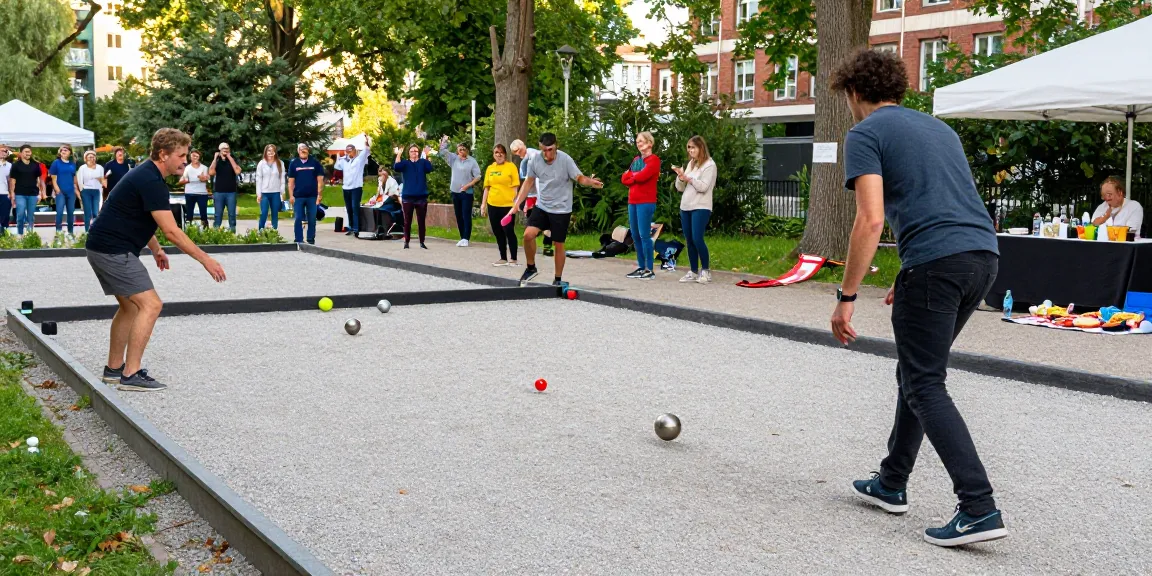
Petanque's introduction also facilitated the establishment of local clubs, which have helped to foster a culture of competition and collaboration among enthusiasts. Community members now gather not only to play but to socialize, fostering a spirit of camaraderie that is integral to the sport.
Important Milestones in Petanque's Growth
In 2011, a pivotal moment for petanque in Indonesia occurred when the country hosted the SEA Games in Jakarta and Palembang. This event served as a significant turning point, elevating petanque to a level of national recognition. The government, alongside the Indonesian National Sports Committee (KONI), recognized the sport's potential and established the Federasi Olahraga Petanque Indonesia (FOPI) to oversee its development. Through the support of organizations like FOPI, petanque is no longer confined to expatriate communities but has grown to encompass a broader demographic in Indonesia.
The 2011 SEA Games not only highlighted the sport to a wider audience but also catalyzed the formation of training programs aimed at nurturing local talent. As athletes prepare for future regional and international competitions, the legacy of the SEA Games continues to inspire participation and excellence in petanque.
Understanding the Rules and Techniques of Petanque
To fully appreciate petanque, it's essential to understand the basic rules and strategies that govern the game. While the sport is accessible to players of all ages and skill levels, mastering its nuances can lead to improved performance and enjoyment. Whether you're a casual player or a competitive athlete, having a solid grasp of the fundamentals is key to success on the court.
Basic Rules Every Player Should Know
Petanque is played by two teams, with each team using metal balls, known as boules. The objective is to throw your boules as close as possible to a small target ball, called the cochonnet. Key rules include:
- Each team consists of one to three players.
- The game starts with a toss to determine which team goes first.
- Teams take turns throwing their boules, aiming for proximity to the cochonnet.
- The team with the closest boule to the cochonnet scores points for that round.
- The game continues until a team reaches a predetermined number of points, typically 13.
Winning Strategies for Competitive Play
Success in petanque hinges not only on skill but also on strategy. Here are some effective strategies for competitive play:
- Aim for the Target: Precision is critical. Focus on getting your boule as close to the cochonnet as possible while also considering your opponent's position.
- Blocking: If your opponent is close to the target, consider throwing your boule to block their next shot.
- Team Communication: In team formats, effective communication can enhance performance. Discuss strategies and observations that can influence your game.
Common Mistakes and How to Avoid Them
Even experienced players can fall victim to common pitfalls. To improve your game, consider the following mistakes and how to sidestep them:
- Excessive Force: Many players mistakenly believe that they need to throw their boules with considerable force. Instead, focus on a smooth and controlled throw.
- Poor Positioning: Ensure that you maintain proper stance and balance when throwing.
- Neglecting Practice: Regular practice is essential for refinement of skills and understanding of the game.
FOPI Kota Gorontalo: Development and Community Engagement
FOPI Kota Gorontalo serves as a vital organization in promoting and cultivating the sport of petanque in Gorontalo. Its commitment to development extends beyond just the sport itself; it encompasses community engagement and youth involvement, ensuring that the love for petanque spreads across generations.
Role of FOPI in Promoting Petanque in Gorontalo
FOPI plays a multifaceted role in the development of petanque, including training athletes, organizing events, and raising awareness about the sport. By hosting tournaments and clinics, FOPI provides players with opportunities to showcase their skills while fostering a sense of community among participants. These events often attract local spectators, enhancing social connections and camaraderie.
Community Programs and Events by FOPI
In addition to competitive events, FOPI organizes community outreach programs aimed at introducing petanque to schools and local organizations. These initiatives are designed to engage youth and encourage them to participate in sports, promoting values such as teamwork, discipline, and fair play. Moreover, FOPI collaborates with local businesses and government bodies to secure support for these community programs.
How to Get Involved with Local Petanque Activities
Getting involved in petanque activities in Gorontalo is straightforward. Interested individuals can reach out to FOPI through their official website or attend local events to learn about practices, competitions, and social gatherings. Participating in training sessions and joining community clubs is an excellent way to meet fellow enthusiasts and improve your skills.
Training and Skill Development for Aspiring Athletes
The pathway to mastering petanque is paved with dedication, practice, and a willingness to learn. For aspiring athletes, developing essential skills and participating in structured training programs can significantly enhance performance and pave the way for success.
Essential Skills Every Petanque Player Must Master
Key skills for players include:
- Throwing Technique: Practice various throwing styles, such as pointing and shooting, to adapt to different competitive scenarios.
- Spatial Awareness: Understanding distances and angles can greatly impact your strategy and shot accuracy.
- Team Dynamics: If playing in a team, cultivate an understanding of your teammate's strengths and weaknesses.
Training Programs Offered by FOPI
FOPI offers comprehensive training programs tailored to various skill levels. These programs include workshops led by experienced coaches and practice sessions that focus on improving fundamental skills. Regularly scheduled training can help participants refine their techniques and prepare for competitions.
Building Mental Toughness for Competitive Play
In addition to physical skills, mental fortitude is crucial in competitive petanque. Athletes should focus on developing concentration, resilience, and the ability to handle pressure. Techniques such as visualization and mindfulness can help players maintain composure during high-stakes matches, giving them an edge over their opponents.
The Future of Petanque: Trends and Opportunities in 2026
As we look towards 2026, the future of petanque in Indonesia is bright, with numerous opportunities for growth and innovation. The sport continues to evolve as more players discover its benefits and as organizations like FOPI work tirelessly to promote it.
Emerging Trends in Petanque Across Indonesia
One noticeable trend is the increasing number of youth programs, encouraging schools and universities to adopt petanque as part of their extracurricular activities. This focus on youth development is essential for ensuring the longevity of the sport, as younger generations become passionate about petanque.
Potential for International Competitions and Growth
Indonesia’s geographical location and growing sports infrastructure position it as a potential host for international petanque competitions. As FOPI continues to strengthen its capabilities and expand its network, the prospect of Indonesia hosting regional tournaments becomes increasingly viable, exposing local players to a broader competitive atmosphere.
Innovations in Equipment and Training for Future Players
The dawn of new technologies presents opportunities for advancements in petanque equipment and training methodologies. From high-quality boules to enhanced training aids, players are likely to benefit from innovations that can improve performance. Embracing these changes will be crucial for players who wish to stay competitive and relevant in the evolving landscape of the sport.
What is FOPI Kota Gorontalo?
FOPI Kota Gorontalo is the official organization that governs and promotes petanque activities in Gorontalo. It operates under the auspices of FOPI Provinsi Sulawesi Tengah and is affiliated with KONI Kota Gorontalo.
How can I participate in local petanque events?
Participation in local petanque events can be done by contacting FOPI directly or attending their organized competitions. Engaging with local clubs also provides opportunities to play and network with other players.
What resources are available for training in petanque?
FOPI offers training sessions, workshops, and resources for players of all ages and skill levels. They provide structured programs aimed at skill development and competitive preparation.
What challenges does petanque face in Indonesia?
Petanque in Indonesia faces challenges such as limited visibility and awareness compared to more mainstream sports. However, the efforts of organizations like FOPI are gradually overcoming these barriers.
How is FOPI contributing to community sports?
FOPI's commitment to fostering community sports is evident through its outreach programs, training sessions, and community events, ensuring that petanque becomes a widely recognized and enjoyed activity throughout Gorontalo.