
Understanding Water Leak Detection
Water leak detection is a crucial service for homeowners and property managers alike, ensuring that potential issues are identified before they escalate into costly repairs. With the rapid advancements in technology, detecting water leaks has become faster, more accurate, and significantly less invasive than in the past. As homeowners become increasingly aware of the costs associated with water damage, the demand for professional leak detection services has surged. When exploring options, water leak detection stands out as an effective solution that protects property value and mitigates risks.
The Importance of Timely Leak Detection
One of the primary reasons for investing in leak detection is to prevent extensive damage. Water leaks can lead to serious structural issues, mold growth, and increased utility bills. Early detection is key to preventing these complications and maintaining a safe living environment. By addressing leaks promptly, homeowners not only ensure the integrity of their properties but also save significant costs associated with repairs and restoration.
Common Signs of Water Leaks in Homes
Recognizing the signs of a water leak early can save homeowners from more severe damage. Common indicators include:
- Increased water bills, suggesting unnoticed usage.
- Visible water stains on walls or ceilings.
- Damp or musty odors, often associated with mold growth.
- Peeling paint or wallpaper.
- Unexplained puddles or damp areas in the yard.
Homeowners should remain vigilant and proactive in identifying these signs to address potential leaks before they worsen.
Understanding Different Detection Technologies
Advancements in technology have revolutionized how leaks are detected. Techniques vary from traditional plumbing inspections to state-of-the-art equipment that minimizes invasive procedures. Familiarity with these methods helps homeowners choose the right service provider for their needs. Common detection technologies include:
- Thermal Imaging: Utilizes infrared cameras to identify temperature differences that indicate leaks.
- Acoustic Sensors: Detects the sound of water escaping from pipes, even through walls and floors.
- Pressure Testing: Measures the pressure in pipes to identify possible leak locations.
Advanced Techniques in Water Leak Detection
Using Thermal Imaging for Accurate Leak Location
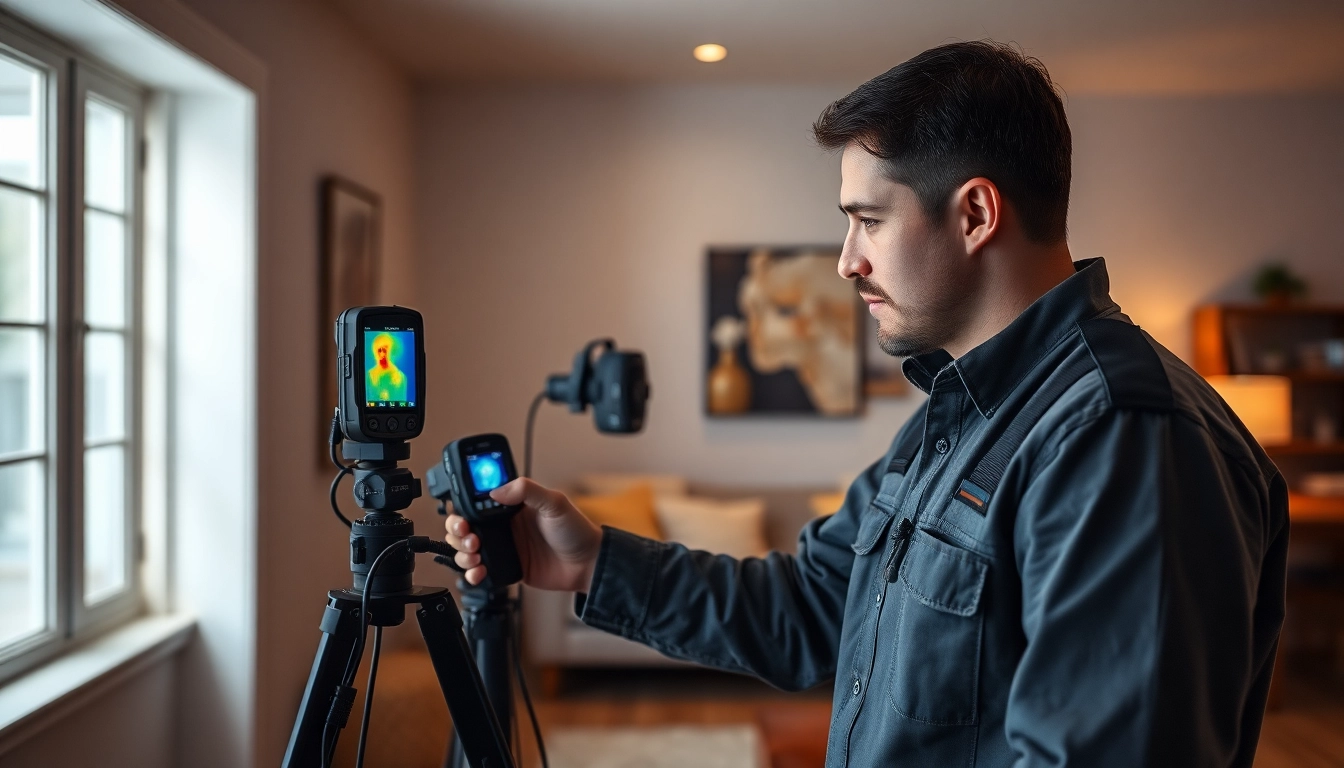
Thermal imaging is one of the most effective non-invasive methods for leak detection. By using specially designed infrared cameras, technicians can identify temperature variations that signal the presence of moisture. This technology is particularly useful for detecting leaks in hidden areas, such as behind walls or under floors, without causing damage to the property.
How Acoustic Listening Devices Work
Acoustic listening devices are another advanced tool for leak detection. These devices amplify the sound of water escaping from pipes, allowing technicians to pinpoint the leak's location. This method is especially effective for underground leaks and in areas where direct access to pipes is restricted. The accuracy of acoustic devices reduces the need for disruptive exploratory work, preserving the integrity of the property.
Pressure Testing: A Reliable Method for Detection
Pressure testing involves isolating sections of pipe and monitoring pressure changes to detect leaks. This method is valuable because it can reveal leaks that are not otherwise noticeable and can help determine the severity of the issue. By identifying the exact section of pipe that is compromised, repair work can be conducted more efficiently, limiting disruption to the property.
Implementing Effective Leak Detection Solutions
Step-by-Step Guide to Conducting a Leak Inspection
To ensure a comprehensive leak inspection, follow these steps:
- Assessment: Evaluate the property and identify areas of concern.
- Utilize Technology: Employ advanced detection methods such as thermal imaging and acoustic devices.
- Documentation: Create detailed reports of findings including photographs and recommendations for repairs.
- Action: Implement corrective measures based on the inspection results.
Choosing the Right Leak Detection Service
Selecting a reliable leak detection service is critical for effective results. Homeowners should look for:
- Certified professionals with experience in various detection methods.
- Advanced technology and equipment
- A no-find no-fee guarantee to ensure a fair service experience.
Conducting thorough research and reading customer reviews can help homeowners make informed decisions when hiring a leak detection service.
Best Practices for Homeowners to Prevent Leaks
Preventing leaks before they occur is the most economically sound approach for homeowners. Best practices include:
- Regular maintenance checks of plumbing systems.
- Monitoring water bills for unusual activity.
- Keeping an eye out for signs of moisture or water damage.
- Installing smart water leak detectors for real-time alerts.
By implementing these preventive measures, homeowners can save themselves from the hassle and cost of dealing with leaks.
Cost Considerations in Water Leak Detection
Understanding the Costs Associated with Leak Detection Services
Hiring a professional for leak detection services can vary based on several factors. Prices typically range from £550 to £1,250 depending on the complexity of the leaks and the required technology for detection. It is essential for homeowners to understand these costs upfront to make budgeting decisions accordingly.
Comparing DIY vs. Professional Detection Methods
While DIY methods may seem cost-effective, they often lack the precision and reliability of professional services. Professional leak detection companies have access to specialized equipment and trained technicians who can accurately locate and address leaks, potentially saving homeowners money in the long run by preventing extensive damage.
Investing in Preventive Technologies for Long-Term Savings
Investing in leak detection technologies, such as smart water monitors, can help homeowners reduce the risk of future leaks. These systems can alert homeowners to unusual water usage patterns, preventing water damage before it occurs. Though there may be an initial cost, the savings achieved through preventing significant repairs can justify the investment.
The Future of Water Leak Detection
Emerging Technologies That Will Shape the Industry by 2025
The industry is on the brink of significant advancements in leak detection technologies. Innovations such as artificial intelligence (AI) are beginning to play a role in detecting leaks through data analysis and predictive algorithms. As these technologies mature, they promise to enhance the efficiency and accuracy of leak detection services.
Trends in Smart Home Integration for Leak Monitoring
Smart home technology is becoming increasingly integrated into leak detection. Home automation systems can now be programmed to monitor water usage, alert homeowners of irregularities, and even shut off the water supply. This proactive approach not only prevents damage but also streamlines household management.
Expert Predictions for the Next Decade in Leak Detection
Experts predict that the future of leak detection will involve more sophisticated and automated solutions. As consumer awareness of water conservation and damage prevention continues to grow, the demand for high-tech leak detection services will likely increase. The emphasis will be on making detection systems more user-friendly and accessible, ensuring that all homeowners can benefit from these advancements.