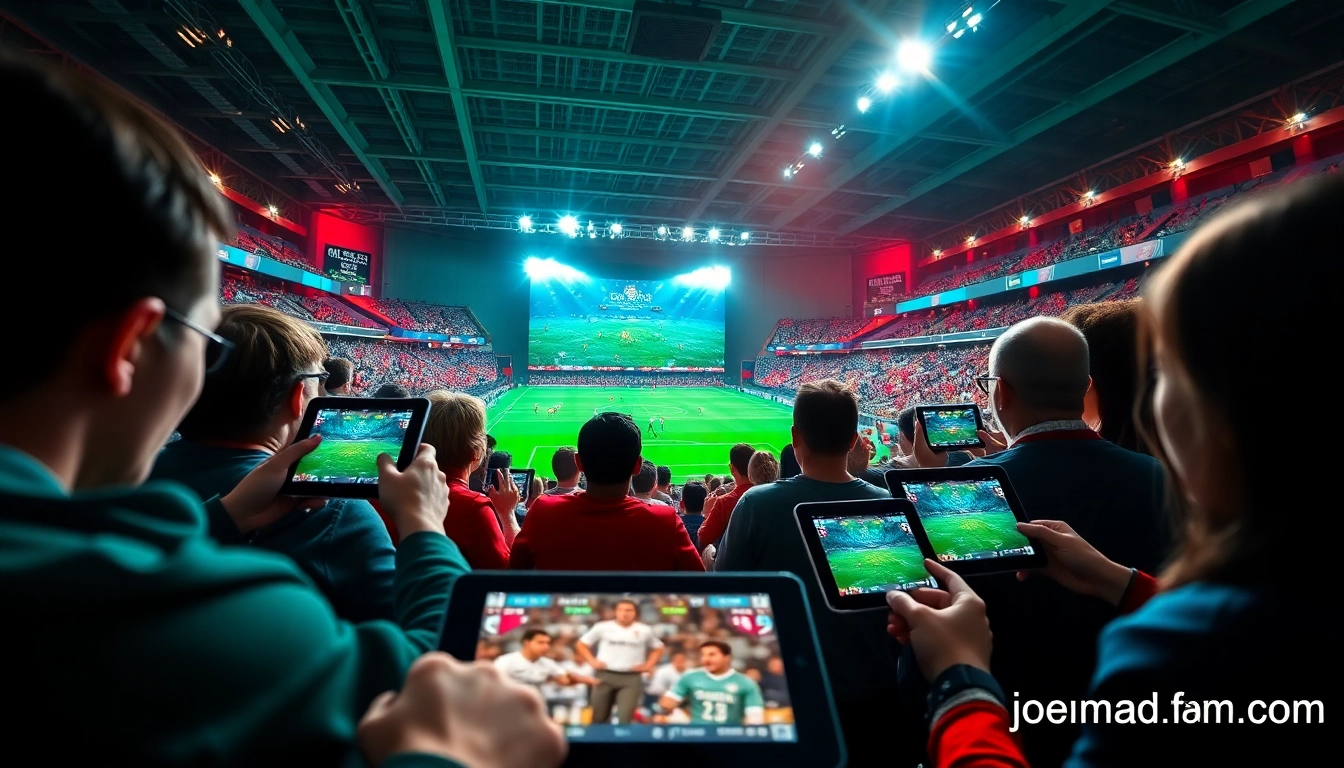

Understanding Sports Broadcasting Basics
What is Sports Broadcasting?
Sports Broadcasting is defined as the dissemination of live or recorded sporting events through various media channels such as television, radio, and the internet. It serves as a critical conduit between the games and fans, allowing viewers to experience events regardless of their location. The rise of digital platforms has further diversified the landscape, making it a crucial area within the media industry. As an industry, Sports Broadcasting not only entertains but also informs and engages audiences, contributing to the growth of fan bases globally.
Key Elements of Sports Broadcasting
Several key elements define the landscape of sports broadcasting:
- Production Quality: High production quality, including camera angles, graphics, and commentary, enhances viewer experience.
- Commentary: Insightful commentary provides context and analysis, enriching the narrative of the game.
- Target Audience: Understanding and catering to audience demographics is essential for content creation.
- Distribution Platforms: The choice of distribution channels—traditional TV versus digital streaming—shapes how audiences consume content.
- Marketing & Promotion: Effective marketing strategies are necessary to attract viewers and engage sponsors.
Importance of Live Coverage
Live coverage is a cornerstone of sports broadcasting. It offers real-time engagement, driving emotional connections between fans and teams. The immediacy of live broadcasts allows for shared experiences, as viewers react together with other fans. Furthermore, live coverage can enhance the authenticity of the experience, providing an unedited portrayal of events that highlights their unpredictability.
The Evolution of Sports Broadcasting
Historical Perspective on Sports Broadcasting
The history of sports broadcasting dates back to the early 20th century, with radio broadcasts emerging as a revolutionary medium. As technology developed, television became the primary platform for sports broadcasting, especially from the 1950s onward, capturing pivotal moments in sports history. The integration of color broadcasting, instant replays, and diverse commentary styles have further transformed viewer experiences, making it more immersive over the decades.
Technological Innovations in Sports Broadcasting
The landscape of sports broadcasting has been dramatically reshaped by technology. Innovations such as HD and 4K video, advanced analytics, and augmented reality have enhanced visual storytelling. Additionally, the implementation of drones for aerial shots and the use of data analytics for player performance have created a more engaging viewing experience.
The Role of Streaming Services
As traditional broadcasting faces challenges from an ever-changing media environment, streaming services have emerged as vital players in sports broadcasting. Platforms like OTT (over-the-top) services offer flexibility and personalization, catering to changing viewer habits. The shift to on-demand content means that fans can engage with their favorite sports and teams at their convenience, leading to higher engagement rates and a broader audience reach.
Strategies for Effective Sports Broadcasting
Building an Engaging Viewership
Creating an engaging viewership requires broadcasting entities to understand their audience’s interests, behaviors, and feedback. Utilizing audience data, broadcasters can tailor their content to enhance viewer satisfaction. Social media engagement, fan forums, and interactive features can also be integrated to foster a community around the broadcast.
Analyzing Audience Demographics
Understanding audience demographics is crucial in tailoring content for maximum impact. By analyzing factors such as age, gender, and geographic location, broadcasters can design specific marketing campaigns and programming that resonates with different segments of their audience. This data-driven approach promotes viewer retention and attracts sponsorship opportunities.
Enhancing the Game-Day Experience
The game-day experience can be significantly enhanced through innovative broadcasting techniques. This includes behind-the-scenes access, live statistics, commentators integrating with fan commentaries, and interactive mobile applications. Such enhancements create a multi-layered experience that keeps viewers engaged and eager for more content.
Challenges in Sports Broadcasting
Navigating Regulatory Issues
Regulatory challenges can significantly impact the sports broadcasting sector. From rights management and licensing to content restrictions, broadcasters must navigate a complex legal environment. Understanding local and international laws is essential for compliance and protecting content interests.
Managing Live Broadcast Risks
Broadcasting live events involves inherent risks, including technical failures, managing unpredictable weather conditions, and even potential controversies. Preparedness through rehearsal, contingency planning, and robust technology infrastructure minimizes these risks and ensures a smooth broadcast.
Addressing Viewer Discontent
Addressing viewer discontent is crucial for maintaining a loyal audience. Feedback mechanisms, such as surveys and social media channels, can help broadcasters pivot quickly to viewer preferences. Offering solutions to common complaints—whether they be about commentary, broadcast quality, or accessibility—demonstrates a commitment to viewer satisfaction.
Future Trends in Sports Broadcasting
The Rise of Interactive Broadcasting
Interactive broadcasting is set to redefine viewer engagement. Features such as real-time polls, viewer comment integration, and options to control viewing angles create a more participative environment. This shift towards interaction not only increases viewer loyalty but also opens avenues for targeted advertising and sponsorships.
AI and Data Analytics in Sports Broadcasting
Artificial intelligence and data analytics are game-changers in sports broadcasting. These technologies can analyze viewer behavior, automate highlight reels, and enhance content personalization. Broadcasting entities can leverage AI to deliver customized experiences, thus maximizing viewer engagement and satisfaction.
Preparing for Evolving Viewing Habits
As viewer habits continue to evolve with technological advancements, broadcasters must remain agile and proactive. This involves adopting flexible content delivery methods, investing in research to anticipate trends, and being ready to pivot strategies to maintain relevance in a rapidly changing environment.
Frequently Asked Questions about Sports Broadcasting
1. What are the main platforms for sports broadcasting?
The main platforms include traditional cable TV, satellite television, radio, and online streaming services, all of which provide various methods to access sports content.
2. How has technology changed sports broadcasting?
Technology has improved broadcast quality, introduced innovative viewing features like VR, and provided data analytics that enriches fan experiences and content customization.
3. What does live coverage add to sports broadcasting?
Live coverage creates a real-time connection between fans and the event, enhancing excitement, immediacy, and community engagement.
4. How can broadcasters enhance viewer engagement?
Broadcasters can enhance engagement through interactive features, personalized content, and leveraging social media for viewer interaction and feedback.
5. What are key challenges in sports broadcasting?
Key challenges include regulatory compliance, technical risks during live events, and addressing viewer dissatisfaction while staying relevant in a competitive space.